
THE WATER IN
YOUR WARDROBE
Every garment tells a water story. Tonight, you're reading it.
A guide to the water in your clothing, and why tonight, this matters.
Presented by THE NAT, curated by Black Pearl, for guests of THE NAT GALA 2026.
MAKING WATER VISIBLE
Fashion runs on water — cultivation, dyeing, finishing, thousands of litres behind every outfit. The Indus, Brahmaputra, and Yangtze basins that sustain billions of people are woven into that story too. Tonight is about making it visible, because visibility creates choice: once you understand what water made your clothes, you can choose differently. We already own enough clothing to dress six generations — the opportunity here isn't scarcity, it's circulation. That is what tonight is about.
And the solutions are already here. Regenerative farming that protects water. Heritage dye collectives safeguarding waterways. Designers rescuing deadstock from landfill. Platforms multiplying garment use across fifty, seventy-five wearers instead of one.
Capital follows visibility. Choose circulation over extraction, and you direct money toward systems built to last. Every choice below tells a different water story — here are five ways to write a better one.
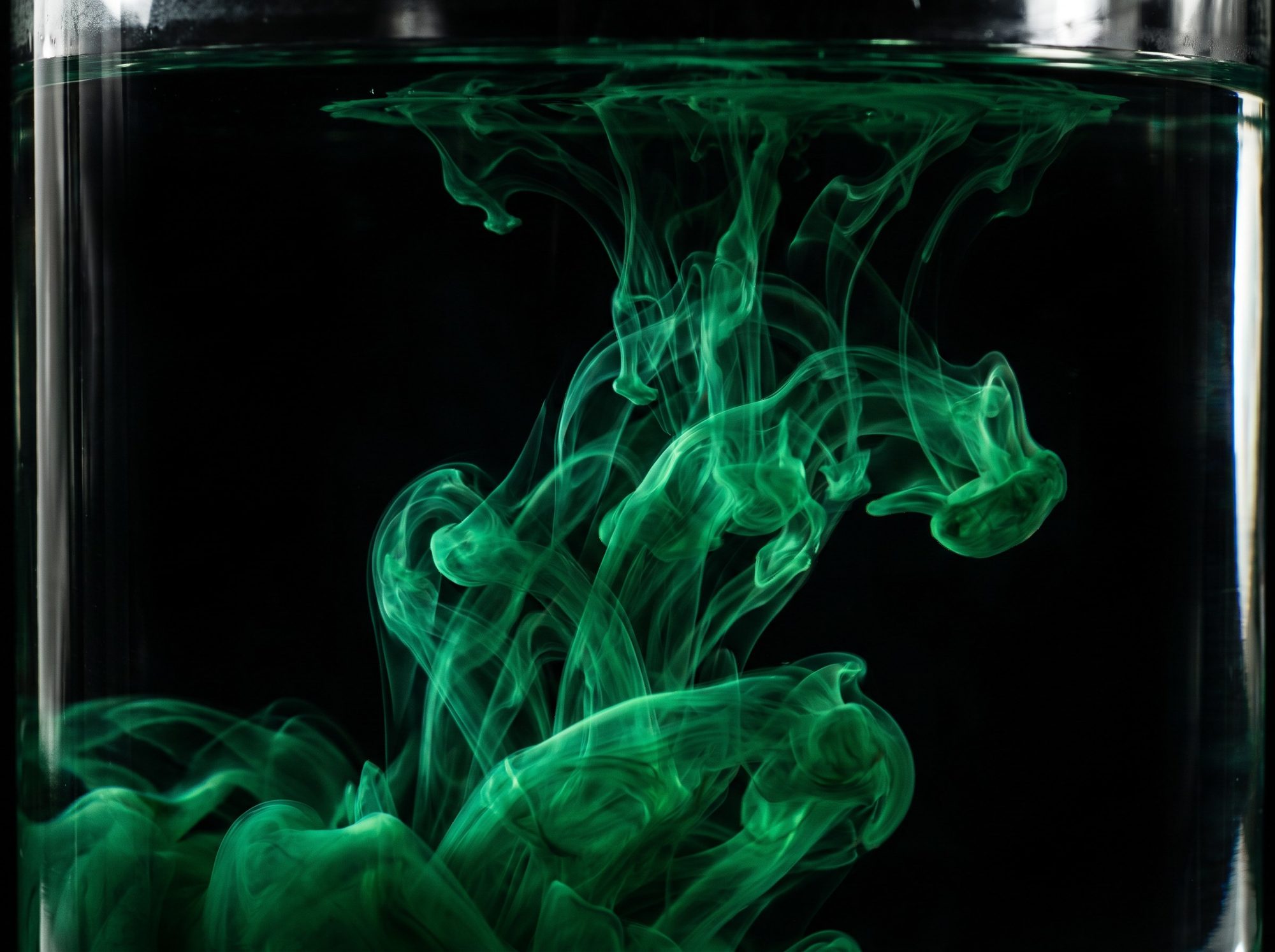
THE FIVE WATER STORIES
Whether you rent, choose pre-loved, support water-conscious makers, or celebrate heritage craft, every path below moves capital toward systems that protect water.
Resale
Resale means choosing circulation over new consumption. Dyeing and finishing account for roughly 20% of global industrial water pollution — choosing a resale garment instead of a newly produced equivalent can help avoid those impacts. Existing wardrobes are activated through peer-to-peer sales, fashion archives, and luxury consignment: capital returns directly to sellers, wardrobes get second chances, and garments get second stories. A garment worn twice spreads its embedded water across two wearings, cutting the per-wear impact in half — and the further you extend its life, the more that impact falls.
Rental
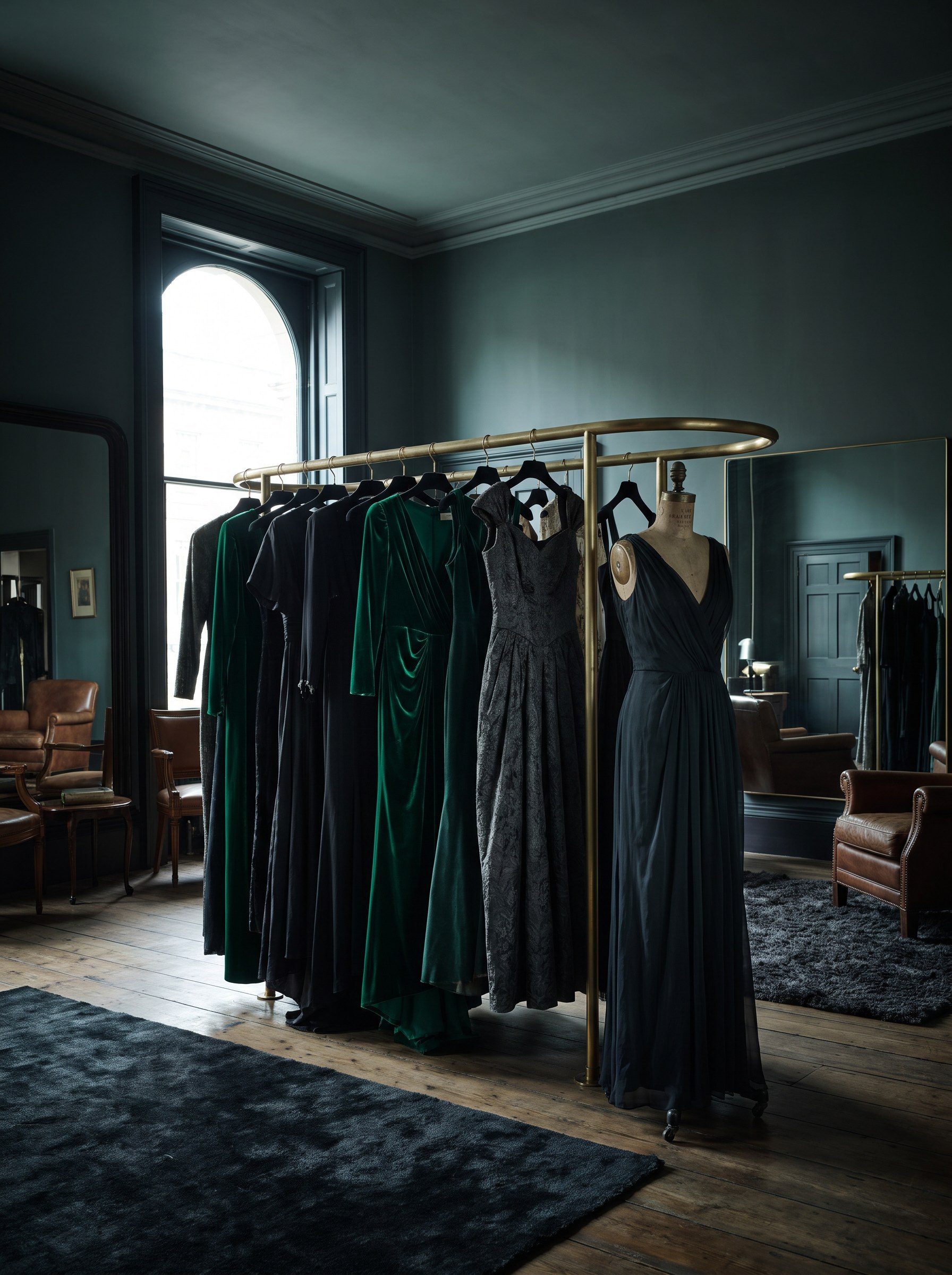
One rented garment can circulate up to fifty times across different occasions and wearers, instead of being bought and worn once. One production cycle serving many wearers is circulation in action. Cleaning and transport carry impacts of their own, but when high use replaces new purchases, those impacts are spread thin across many wearings — rental shifts the focus from ownership to circulation, reducing demand for new production.
Vintage
Vintage is water already spent. A piece from the 1950s paid its water cost decades ago — one garment, seventy years, zero new production. Between the 1960s and 70s, synthetic and blended textiles took over mass-market fashion; many earlier garments were made predominantly from natural fibres instead. Choosing second-hand over new can reduce water-scarcity impact per wear by roughly 35–53%, with material, production method and use patterns driving the range. Every additional wear deepens those savings.
Smart Design
Water-conscious designers cut water dramatically from production itself. Botanical and natural dyes, laser and ozone finishing, CO2 dyeing — these and other emerging technologies can reduce water use compared with conventional wet-processing methods. Designers building from deadstock, bio-based materials, and recycled fibres can also reduce demand for new fibre cultivation and virgin material production. Supporting these makers directs capital toward production methods designed to use fewer resources and create less pollution. When capital follows visibility, systems change.
Heritage
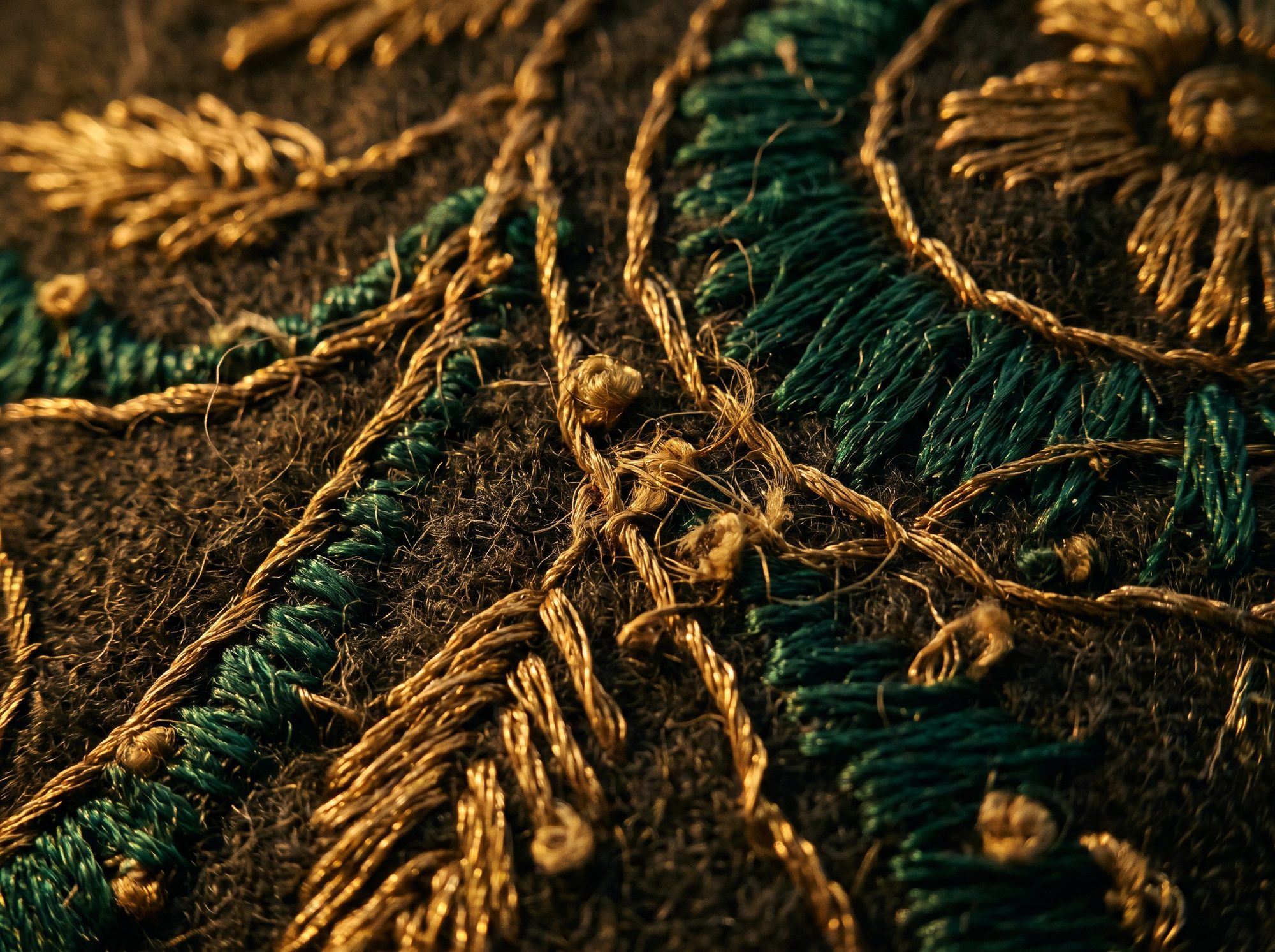
Heritage and indigenous designers protect water through generations of knowledge. Hand-embroidered pieces, botanical dyes, upcycled textiles, and hand-woven construction with artisans rely on rainfall, minimal water, and managed systems that sustain living ecosystems. Local production, trained artisans, and bold craft built on materials that work with water systems, not against them. Supporting these designers directs capital toward knowledge systems that have always understood water stewardship.
AFTER WEAR
What do you do when you are done? Extend its life through proper care. Keep its embedded water in circulation. That is where the water story shifts.
Care for it properly, and extend its life for years of further wear.
Resell it. Each new wearer distributes the water cost across another life.
Give it to theatres and nonprofits for continued wear and a second stage.
Reimagine it with dye experts, and keep its embedded water circulating.
Whether you rent, choose pre-loved, support water-conscious makers, or celebrate heritage craft — you're moving capital toward systems that protect water.
THE GUEST DIRECTORY
Ninety-one places to rent, resell, buy vintage, or support water-conscious and heritage makers before, during, and long after tonight.
No matches. Try another search.
YOUR CHOICE MATTERS
Whether you rent, choose pre-loved, support water-conscious makers, or celebrate heritage craft, you're moving capital toward systems that protect water. That's the power of culture.